
Budgeting is a critical aspect of financial management, and it requires a great deal of discipline, consistency, and a clear understanding of one’s financial situation. However, despite the importance of budgeting, many people still make common mistakes that can negatively impact their financial goals. In this article, we will explore some of the most common budgeting mistakes to avoid in order to achieve financial success.
From overspending to not tracking expenses, there are several budgeting mistakes that people make. These mistakes not only hinder financial progress but also make it difficult to achieve long-term financial stability. By understanding these common budgeting mistakes, you can develop effective strategies to avoid them and achieve your financial goals. So, let’s dive in and explore some of the most common budgeting mistakes that you should avoid.
Avoid these common budgeting mistakes: not setting realistic goals, not tracking expenses, ignoring unexpected expenses, not having an emergency fund, and not adjusting your budget as needed. Make sure to set achievable goals and track your spending regularly. Plan for unexpected expenses by having an emergency fund and adjust your budget when necessary.
Contents
- Common Budgeting Mistakes to Avoid
- 1. Not Tracking Your Expenses
- 2. Setting Unrealistic Goals
- 3. Ignoring Unexpected Expenses
- 4. Not Prioritizing Your Spending
- 5. Forgetting to Include Annual Expenses
- 6. Not Adjusting Your Budget
- 7. Relying Too Much on Credit Cards
- 8. Not Saving for Retirement
- 9. Comparing Yourself to Others
- 10. Not Celebrating Your Wins
- Frequently Asked Questions
- What is the biggest mistake people make when budgeting?
- Why is it important to have a budgeting plan?
- What are some common budgeting mistakes to avoid when creating a budgeting plan?
- How can I avoid overspending when budgeting?
- What should I do if I make a budgeting mistake?
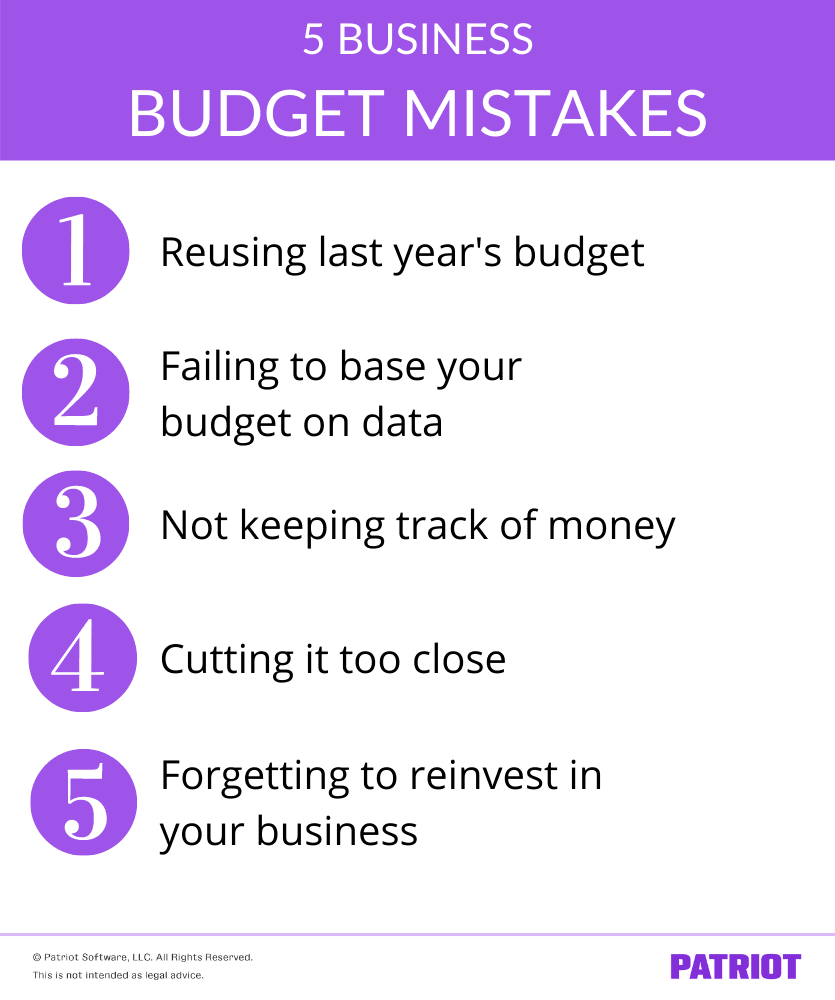
- 5 Budgeting MISTAKES I Wish I Fixed Sooner
Common Budgeting Mistakes to Avoid
Budgeting is essential for anyone who wants to achieve their financial goals. It helps you track your expenses, save money, and avoid unnecessary debt. However, budgeting can be tricky, and many people make mistakes that hinder their progress. Here are some common budgeting mistakes to avoid.
1. Not Tracking Your Expenses
The first mistake many people make is not tracking their expenses. Without knowing where your money is going, it’s impossible to create an effective budget. You need to know how much you’re spending on groceries, rent, utilities, entertainment, and other categories. You can use a budgeting app or simply write down your expenses in a notebook.
It’s also important to review your expenses regularly. You might be surprised to see how much you’re spending on certain items and find areas where you can cut back. Tracking your expenses helps you make informed decisions about your money.
2. Setting Unrealistic Goals
Another mistake is setting unrealistic goals. While it’s great to aim high, setting goals that are too challenging can lead to frustration and disappointment. For example, if you’re trying to pay off debt, you might set a goal to pay off $10,000 in six months. While this is possible, it might not be realistic for your budget.
Instead, set smaller goals that are achievable. For example, you might aim to pay off $1,000 in three months. Once you achieve that goal, you can set a new one. This approach helps you stay motivated and track your progress.
3. Ignoring Unexpected Expenses
Life is unpredictable, and unexpected expenses can pop up at any time. Ignoring these expenses can throw off your budget and lead to debt. For example, if your car breaks down, you might need to pay for repairs or a rental car. If you don’t have a contingency plan, you might have to use your credit card and accrue interest.
To avoid this mistake, build an emergency fund into your budget. This fund should have at least three months’ worth of living expenses. That way, if something unexpected happens, you’ll be prepared.
4. Not Prioritizing Your Spending
When creating a budget, it’s important to prioritize your spending. You should focus on your needs first, such as housing, food, and transportation. Then, you can allocate money for your wants, such as entertainment and vacations. If you prioritize your wants over your needs, you might not have enough money to cover your essential expenses.
To prioritize your spending, make a list of your expenses and categorize them into needs and wants. Focus on your needs first and allocate the remaining money to your wants.
5. Forgetting to Include Annual Expenses
Annual expenses, such as car insurance and property taxes, can be easy to forget when creating a monthly budget. However, these expenses can be significant and throw off your budget if you’re not prepared.
To avoid this mistake, make a list of your annual expenses and divide them by 12. Then, include that amount in your monthly budget. That way, you’ll be prepared when these expenses come due.
6. Not Adjusting Your Budget
Your budget should be a living document that changes with your life. If you get a raise, have a baby, or move to a new city, your budget will need to adjust. Failing to adjust your budget can lead to overspending or underspending.
To avoid this mistake, review your budget regularly and make adjustments as needed. You might need to cut back on certain expenses or allocate more money to others.
7. Relying Too Much on Credit Cards
Credit cards can be a useful tool for building credit and earning rewards. However, relying too much on credit cards can lead to debt. If you’re using your credit cards to cover essential expenses, such as groceries or rent, you might be overspending.
To avoid this mistake, only use your credit cards for purchases you can afford to pay off in full each month. If you’re struggling with credit card debt, consider creating a debt repayment plan as part of your budget.
8. Not Saving for Retirement
When creating a budget, it’s easy to focus on your immediate needs and forget about your long-term goals. However, saving for retirement is essential if you want to enjoy financial security in your golden years.
To avoid this mistake, include retirement savings in your budget. You might contribute to a 401(k) or IRA each month. If you’re not sure how much to save, consider speaking with a financial advisor.
9. Comparing Yourself to Others
Finally, many people make the mistake of comparing themselves to others when it comes to their finances. It’s easy to feel like you’re not doing well if your friends are taking exotic vacations or buying new cars. However, everyone’s financial situation is different, and you should focus on your own goals.
To avoid this mistake, set your own financial goals and focus on achieving them. Don’t worry about what others are doing.
10. Not Celebrating Your Wins
Finally, it’s important to celebrate your wins when it comes to your budget. If you pay off a credit card or reach a savings goal, take the time to celebrate. This helps you stay motivated and feel good about your progress.
To celebrate your wins, you might treat yourself to a nice dinner or buy something you’ve been wanting. Just make sure the celebration fits within your budget.
In conclusion, budgeting is essential for financial success, but it can be tricky. By avoiding these common budgeting mistakes, you can stay on track and achieve your goals. Remember to track your expenses, set realistic goals, prioritize your spending, and adjust your budget as needed. With these tips, you’ll be on your way to financial security.
Frequently Asked Questions
Effective budgeting is a crucial part of financial planning. However, many people make common budgeting mistakes that can hinder their financial goals. Here are some frequently asked questions about common budgeting mistakes to avoid.
What is the biggest mistake people make when budgeting?
The biggest mistake people make when budgeting is not tracking their expenses. Many people rely on their memory or guess how much they spend each month. This approach can lead to overspending and going over budget. To avoid this mistake, it is important to track all expenses, including small purchases, using a budgeting app or spreadsheet.
Another mistake is not adjusting the budget as circumstances change. Life is unpredictable, and unexpected expenses can arise. Failing to adjust the budget for these changes can lead to overspending and financial stress. It is important to review and adjust the budget regularly to stay on track.
Why is it important to have a budgeting plan?
A budgeting plan is important because it helps you manage your money effectively and achieve your financial goals. A budgeting plan allows you to track your income and expenses, identify areas where you can cut back, and allocate funds to savings and investments. Without a budgeting plan, it is easy to overspend, accumulate debt, and fall short of your financial goals.
Having a budgeting plan also helps you avoid impulse purchases and make informed financial decisions. It provides a clear picture of your financial situation and helps you plan for the future. By having a budgeting plan, you can reduce financial stress and achieve financial freedom.
What are some common budgeting mistakes to avoid when creating a budgeting plan?
Some common budgeting mistakes to avoid when creating a budgeting plan include underestimating expenses, not including savings as a budget item, and ignoring debt. Underestimating expenses can lead to overspending and going over budget. It is important to be realistic and include all expenses, including variable expenses like groceries and entertainment.
Not including savings as a budget item can also be a mistake. Saving should be a priority and should be included as a line item in the budget. Ignoring debt is another common mistake. Failing to allocate funds to pay off debt can lead to high-interest charges and a cycle of debt. It is important to include debt payments as a budget item and make paying off debt a priority.
How can I avoid overspending when budgeting?
To avoid overspending when budgeting, it is important to identify your spending triggers and develop a plan to address them. For example, if you tend to overspend when shopping online, consider setting a spending limit or avoiding online shopping altogether. It is also important to track your expenses and review them regularly to stay on track.
Another strategy is to use cash for purchases instead of credit or debit cards. This can help you stay within your budget and avoid overspending. Creating a budgeting plan that includes savings and debt payments can also help you avoid overspending and make progress towards your financial goals.
What should I do if I make a budgeting mistake?
If you make a budgeting mistake, don’t panic. The first step is to identify the mistake and figure out why it happened. Once you understand the mistake, you can take steps to correct it. For example, if you overspend in a particular category, you can adjust your budget for the next month or find ways to cut back in other areas to make up for the overspending.
If you find that you consistently make the same budgeting mistake, it may be helpful to seek the advice of a financial planner or coach. They can provide guidance and support to help you develop effective budgeting habits and achieve your financial goals.
5 Budgeting MISTAKES I Wish I Fixed Sooner
In conclusion, budgeting mistakes can be costly and lead to financial stress. By avoiding common mistakes such as not tracking expenses, underestimating expenses, and failing to prioritize savings, individuals can better manage their finances and achieve their financial goals. It is important to remember that budgeting is an ongoing process that requires regular review and adjustment. By staying vigilant and taking control of their finances, individuals can avoid the pitfalls of poor budgeting and enjoy a more secure financial future. So, now that you are aware of these mistakes, make sure to avoid them and take charge of your finances!