
If you’re struggling to make your monthly student loan payments, refinancing may be a viable solution. Refinancing your student loans can potentially lower your interest rate, reduce your monthly payment, and even save you money in the long run. But is refinancing right for you? In this article, we’ll explore what refinancing is, how it works, and whether it’s a smart decision for your financial situation.
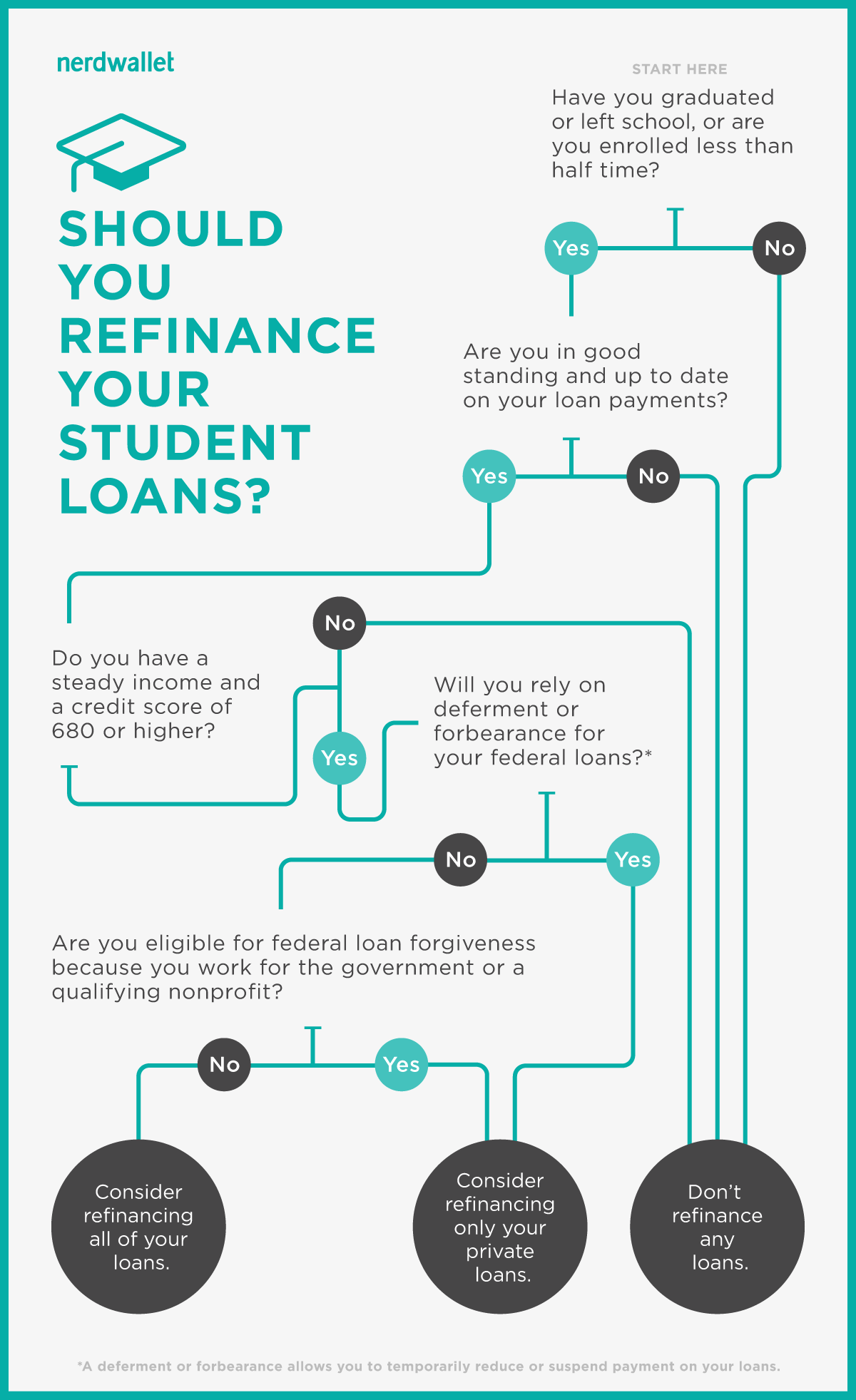
Yes, you can refinance your student loans. Refinancing involves replacing your current student loans with a new loan from a private lender. The new loan ideally has a lower interest rate, which saves you money over time. To qualify, you typically need a good credit score and a steady income. Refinancing federal student loans can result in losing access to certain benefits, such as income-driven repayment plans and loan forgiveness programs, so consider your options carefully.
Can I Refinance My Student Loans?
Are you struggling with high monthly payments on your student loans? If so, you may be wondering if you can refinance your student loans to reduce your monthly payments or overall loan costs. The good news is that you can refinance your student loans, but there are some important factors to consider before doing so.
What is Student Loan Refinancing?
Student loan refinancing is the process of taking out a new loan to pay off your existing student loans. This new loan typically has a lower interest rate, which can result in lower monthly payments and overall savings on interest charges over the life of the loan.
When you refinance your student loans, you can choose a new repayment term, which can range from five to twenty years. This allows you to adjust your monthly payments based on your budget and financial goals.
Benefits of Student Loan Refinancing
There are several benefits to refinancing your student loans. The most significant benefit is that you can save money on interest charges over the life of your loan. By refinancing to a lower interest rate, you can potentially save thousands of dollars over the course of your loan.
Another benefit of student loan refinancing is that you can simplify your monthly payments. If you have multiple student loans with different interest rates and payment due dates, it can be challenging to keep track of them all. When you refinance, you can consolidate your loans into one loan with one monthly payment.
Requirements for Refinancing Your Student Loans
To refinance your student loans, you typically need to meet certain requirements. These requirements vary by lender, but some common requirements include:
– Good credit score: Most lenders require a credit score of at least 650 to qualify for refinancing.
– Steady income: You need to have a steady source of income to show that you can afford to make your monthly payments.
– Low debt-to-income ratio: Your debt-to-income ratio is the amount of debt you have compared to your income. Most lenders prefer a debt-to-income ratio of less than 50%.
Private vs. Federal Student Loan Refinancing
When it comes to refinancing your student loans, you have two options: private student loan refinancing and federal student loan refinancing.
Private student loan refinancing involves taking out a new loan from a private lender to pay off your existing student loans. This option typically offers lower interest rates and more flexible repayment terms than federal student loan refinancing.
Federal student loan refinancing involves consolidating your federal student loans into a Direct Consolidation Loan. This option does not lower your interest rate but can simplify your monthly payments by consolidating all your federal loans into one loan.
Pros and Cons of Private Student Loan Refinancing
There are several pros and cons to private student loan refinancing that you should consider before making a decision.
Pros:
– Lower interest rates: Private lenders may offer lower interest rates than your existing loans, which can save you money over the life of the loan.
– Flexible repayment terms: Private lenders offer a variety of repayment terms, which can help you find a plan that fits your budget and financial goals.
– Cosigner release: If you have a cosigner on your existing loans, refinancing can release them from their obligation.
Cons:
– Loss of federal benefits: When you refinance with a private lender, you lose access to federal benefits, such as income-driven repayment plans and loan forgiveness programs.
– Credit score requirements: Private lenders typically have higher credit score requirements than federal loan refinancing.
– Variable interest rates: Private lenders may offer variable interest rates, which can increase over time and result in higher monthly payments.
Pros and Cons of Federal Student Loan Refinancing
There are also pros and cons to federal student loan refinancing that you should consider.
Pros:
– No credit check: Federal loan refinancing does not require a credit check, so you can qualify even if you have a low credit score.
– Access to federal benefits: When you consolidate your federal loans into a Direct Consolidation Loan, you retain access to federal benefits, such as income-driven repayment plans and loan forgiveness programs.
– Fixed interest rates: Federal loan refinancing offers fixed interest rates, which means your monthly payments will remain the same over the life of the loan.
Cons:
– No interest rate reduction: Federal loan refinancing does not lower your interest rate, so you may not save as much money over the life of the loan as you would with private refinancing.
– Limited repayment term options: Unlike private lenders, federal loan refinancing only offers one repayment term option.
– Limited loan types: Not all federal student loans are eligible for refinancing.
Conclusion
In conclusion, refinancing your student loans can be a great way to save money on interest charges and simplify your monthly payments. When deciding whether to refinance, consider your credit score, income, and debt-to-income ratio, as well as the pros and cons of private and federal refinancing options. With careful consideration, you can make an informed decision that will help you achieve your financial goals.
Frequently Asked Questions
Refinancing student loans can be a smart financial move for borrowers looking to lower their monthly payments or interest rates. Here are some common questions and answers about refinancing student loans.
What is refinancing student loans?
Refinancing student loans is the process of taking out a new loan to pay off one or more existing student loans. The new loan typically has a lower interest rate and different repayment terms, which can help borrowers save money on interest and reduce their monthly payments. Refinancing is offered by many private lenders, and some federal loans can also be refinanced through the government’s Direct Consolidation Loan program.
It’s important to note that refinancing federal student loans with a private lender will result in the loss of certain federal benefits, such as income-driven repayment plans and loan forgiveness programs. Borrowers should carefully consider the pros and cons of refinancing before making a decision.
Who is eligible to refinance student loans?
Most private lenders require borrowers to have a credit score of at least 650 and a steady income in order to qualify for refinancing. However, some lenders may have higher or lower eligibility requirements. Borrowers who are struggling to make their payments or have a high debt-to-income ratio may have difficulty qualifying for refinancing.
It’s also important to note that refinancing is typically only available for borrowers who have completed their degree and are no longer enrolled in school. Some lenders may offer refinancing for parent PLUS loans, but this depends on the specific lender and their eligibility requirements.
What are the benefits of refinancing student loans?
Refinancing student loans can offer several benefits to borrowers, including lower interest rates, reduced monthly payments, and simplified repayment terms. By refinancing, borrowers can potentially save thousands of dollars in interest over the life of their loan and pay off their debt faster.
Additionally, refinancing can be a good option for borrowers who have multiple loans with different interest rates and repayment terms, as it allows them to consolidate their loans into a single monthly payment. This can make it easier to manage their debt and avoid missed or late payments.
What are the risks of refinancing student loans?
While refinancing student loans can offer many benefits, it’s important for borrowers to be aware of the potential risks. One of the biggest risks is the loss of federal benefits, as mentioned earlier. Borrowers who refinance their federal loans with a private lender will no longer be eligible for income-driven repayment plans, loan forgiveness programs, or other federal benefits.
Additionally, refinancing can result in a longer repayment term, which can increase the total amount of interest paid over the life of the loan. Borrowers should carefully consider their financial situation and long-term goals before deciding to refinance.
How do I refinance my student loans?
The process for refinancing student loans varies by lender, but generally involves submitting an application and providing documentation of income and credit history. Borrowers should research different lenders and compare their rates and terms before choosing a lender to refinance with.
Once a borrower is approved for refinancing, the new lender will pay off their existing loans and issue a new loan with different repayment terms and interest rates. Borrowers should continue making payments on their existing loans until the refinancing process is complete, as missing a payment could negatively impact their credit score.
In conclusion, the answer to the question “Can I refinance my student loans?” is a resounding yes! Refinancing your student loans can help you save money, reduce your monthly payments, and even get a better interest rate. With so many lenders and options available, it’s important to do your research and compare offers to find the best fit for your financial situation.
However, refinancing may not be the best choice for everyone. If you have federal loans, refinancing with a private lender could mean losing out on important benefits like income-driven repayment plans and loan forgiveness programs. Make sure to weigh the pros and cons before making a decision.
Overall, refinancing your student loans can be a smart financial move that can help you pay off your debt faster and more affordably. Just be sure to consider your options carefully and choose a lender that offers competitive rates and terms that work for you.