
Are you tired of living paycheck to paycheck and constantly worrying about unexpected expenses? Building an emergency fund can provide peace of mind and financial security in times of crisis. In this article, we will explore the steps you can take to create a solid emergency fund and protect yourself from unexpected financial setbacks.
Building an emergency fund is important for financial stability. Start by setting a monthly savings goal and creating a budget. Consider cutting unnecessary expenses and finding ways to increase your income. Look for high-yield savings accounts and consider automating your savings. Be disciplined and avoid using the fund for non-emergencies.
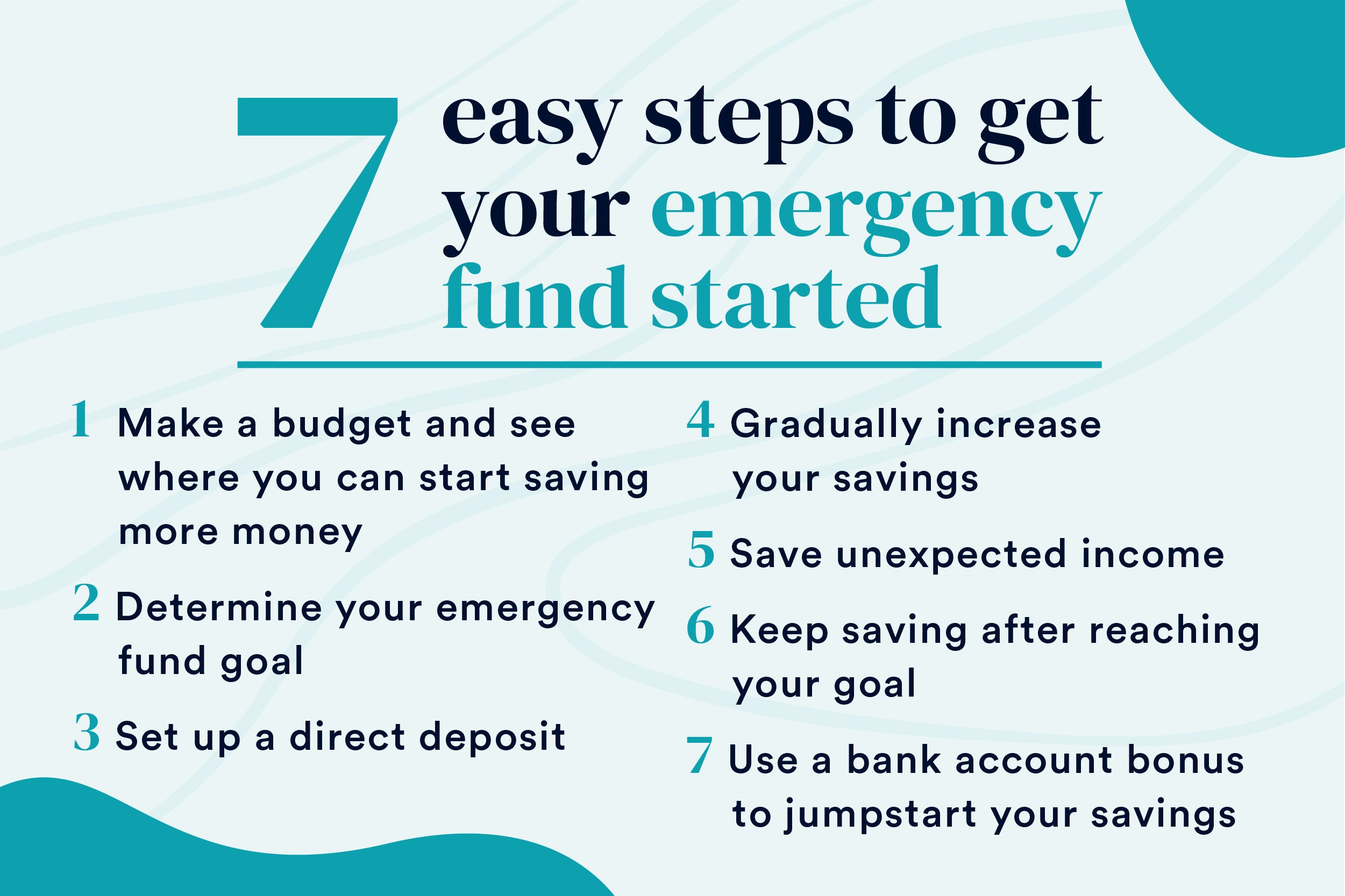
How Do I Build an Emergency Fund?
An emergency fund is a crucial component of financial stability. It helps you navigate through unexpected expenses without having to rely on credit cards or loans. Building an emergency fund may seem daunting, but with a plan and a little discipline, anyone can do it. Here’s how:
1. Determine Your Emergency Fund Goal
The first step to building an emergency fund is to determine how much you need. A good rule of thumb is to save three to six months’ worth of living expenses. This may seem like a lot, but it’s important to have a safety net in case of job loss, medical emergencies, or unexpected repairs.
To calculate your emergency fund goal, add up your monthly expenses, including rent/mortgage, utilities, food, transportation, and any other bills. Multiply that number by three or six, depending on how much you want to save.
Once you have your goal, break it down into smaller, manageable chunks. Set a monthly savings goal and track your progress.
2. Make Saving a Priority
Building an emergency fund requires discipline and sacrifice. Make saving a priority by automating your savings. Set up a direct deposit into a separate savings account so that a portion of your paycheck goes directly into your emergency fund.
Cutting back on unnecessary expenses can also help you save more quickly. Look for ways to reduce your monthly bills, such as canceling subscriptions, eating out less, or shopping for deals.
3. Start Small and Build Momentum
Starting small is better than not starting at all. Begin by saving $10 or $20 a week, and gradually increase your savings as you get used to living on a tighter budget. Celebrate each milestone, such as hitting your first $100 or $500 saved.
Building momentum will help you stay motivated and on track. Keep your emergency fund savings separate from your other accounts, so you’re not tempted to dip into it for non-emergency expenses.
4. Consider a High-Yield Savings Account
A high-yield savings account can help your emergency fund grow faster. These accounts typically offer higher interest rates than traditional savings accounts, which can help your money earn more over time.
Compare different options and look for accounts with no monthly maintenance fees or minimum balance requirements. Keep in mind that you may need to keep your emergency fund in a liquid account, meaning you can access your money quickly and without penalty.
5. Supplement Your Income
Supplementing your income can help you save more quickly. Look for ways to earn extra money, such as taking on a side hustle, selling items you no longer need, or picking up freelance work.
Consider putting any extra income directly into your emergency fund. This can help you reach your savings goal faster and build a cushion for unexpected expenses.
6. Reassess and Adjust as Needed
Your emergency fund goal and savings plan may need to be reassessed and adjusted over time. As your expenses change or your income fluctuates, you may need to save more or less.
Regularly reassessing your emergency fund can help you stay on track and ensure you’re prepared for any unexpected expenses that come your way.
7. Benefits of an Emergency Fund
Having an emergency fund can provide peace of mind and financial security. It can help you avoid taking on debt or dipping into your retirement savings in case of unexpected expenses.
An emergency fund can also help you maintain your lifestyle during a job loss or other financial hardship. It can provide a cushion for unexpected medical bills, car repairs, or home maintenance.
8. Emergency Fund vs. Other Savings Goals
An emergency fund is different from other savings goals, such as retirement or a down payment on a home. While those savings goals are important, an emergency fund should be a priority.
An emergency fund is designed to help you navigate unexpected expenses, while other savings goals are focused on long-term planning. It’s important to have a balance between short-term and long-term savings goals.
9. Tips to Avoid Using Your Emergency Fund
Once you’ve built your emergency fund, it’s important to avoid using it for non-emergency expenses. Here are a few tips to help you stay on track:
– Create a budget and stick to it
– Build sinking funds for expected expenses, such as car repairs or holiday gifts
– Avoid unnecessary expenses and impulse purchases
– Keep your emergency fund separate from your other accounts
10. Conclusion
Building an emergency fund takes time and discipline, but it’s worth it in the long run. By setting a goal, making saving a priority, and building momentum, anyone can build a cushion for unexpected expenses.
Remember to reassess your emergency fund regularly and avoid using it for non-emergency expenses. With a little planning and a lot of determination, you can create a financial safety net that will provide peace of mind and security for years to come.
Contents
- Frequently Asked Questions
- What is an Emergency Fund?
- How Can I Start Building an Emergency Fund?
- Where Should I Keep My Emergency Fund?
- What Should I Do If I Need to Use My Emergency Fund?
- How Can I Stay Motivated to Build and Maintain My Emergency Fund?
- How to Build an Emergency Fund | Quick & Easy Guide to Starting An Emergency Fund
Frequently Asked Questions
What is an Emergency Fund?
An emergency fund is a savings account that is set aside for unexpected expenses. This fund is meant to cover expenses that are not part of your regular budget such as car repairs, medical bills, or job loss.
To build an emergency fund, you should aim to save at least three to six months’ worth of living expenses. This means that if your monthly expenses are $3,000, your emergency fund should be between $9,000 to $18,000.
How Can I Start Building an Emergency Fund?
The first step to building an emergency fund is to set a savings goal. Determine how much you need to save and how long it will take you to reach that goal. The next step is to create a budget and identify areas where you can cut back on expenses.
Once you have a savings goal and a budget in place, start setting aside a portion of your income each month. Consider automating your savings by setting up a direct deposit from your paycheck into your emergency fund.
Where Should I Keep My Emergency Fund?
Your emergency fund should be easily accessible in case of an emergency. Consider keeping your emergency fund in a high-yield savings account or a money market account. These accounts typically offer higher interest rates than traditional savings accounts, allowing your money to grow over time.
Avoid investing your emergency fund in stocks or other high-risk investments that may fluctuate in value. It’s also important to keep your emergency fund separate from your regular checking account to avoid spending the money on non-emergency expenses.
What Should I Do If I Need to Use My Emergency Fund?
If you need to use your emergency fund, it’s important to only use it for true emergencies. This means unexpected expenses that are not part of your regular budget, such as medical bills, car repairs, or job loss.
If you do need to use your emergency fund, make sure to replenish the funds as soon as possible. Adjust your budget and savings plan accordingly to ensure that you can rebuild your emergency fund over time.
How Can I Stay Motivated to Build and Maintain My Emergency Fund?
Building and maintaining an emergency fund can be challenging, but it’s an important step towards financial security. To stay motivated, set milestones for yourself and celebrate when you reach them.
Consider using a visual aid, such as a savings tracker, to monitor your progress and keep yourself accountable. You can also involve a friend or family member to help keep you motivated and on track.
Remember that building an emergency fund takes time and effort, but the peace of mind that comes with financial security is worth it.
How to Build an Emergency Fund | Quick & Easy Guide to Starting An Emergency Fund
In conclusion, building an emergency fund is crucial for anyone who wants to secure their financial future. It may seem daunting at first, but with a little bit of planning and discipline, anyone can achieve this goal.
The first step in building an emergency fund is to set a realistic savings goal. This should be based on your monthly expenses and should cover at least three to six months of living expenses.
Next, it’s important to create a budget and stick to it. This means cutting back on unnecessary expenses and finding ways to save money wherever possible. By doing so, you’ll be able to free up more money to put towards your emergency fund.
Finally, it’s important to stay committed to your savings plan. This means setting aside a certain amount of money each month and resisting the temptation to dip into your emergency fund unless absolutely necessary. With time and patience, you’ll be able to build a solid emergency fund that will provide you with peace of mind and financial security.