
Choosing the right investment broker can be a daunting task, especially for beginners. With so many options available in the market, it’s essential to make an informed decision to ensure your investments are in good hands. A good investment broker can help you navigate the complex world of investing, offering advice and guidance to help you make the best financial decisions. In this article, we’ll explore some key factors to consider when choosing the right investment broker for you.
Firstly, it’s important to understand the different types of investment brokers available and what services they offer. From full-service brokers to discount brokers, each has its advantages and disadvantages. Secondly, you’ll need to consider factors such as fees, investment options, and customer service. By taking the time to research and compare investment brokers, you can find one that meets your specific needs and objectives.
Choosing the right investment broker can be daunting. Consider the fees, services, and investment options offered. Research the broker’s background and reputation. Look for a broker who aligns with your investment goals and risk tolerance. Don’t forget to check their customer service and tech support. Take your time and choose wisely.
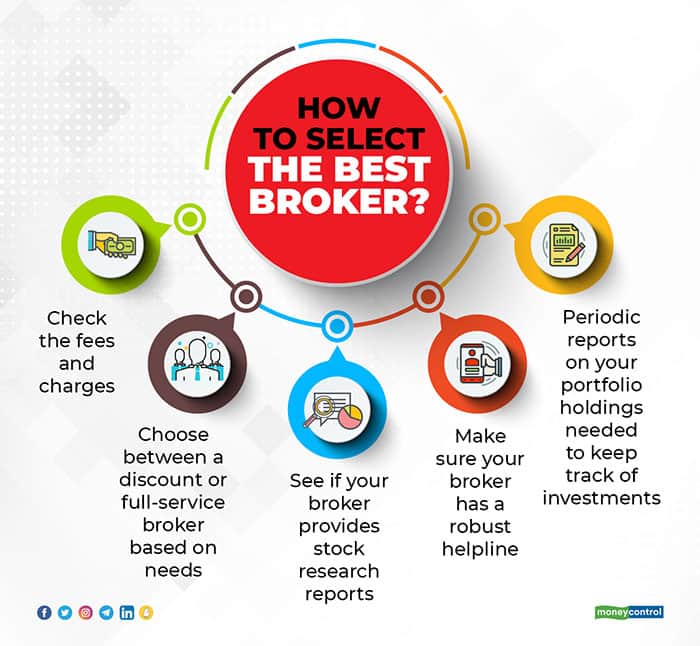
How Do I Choose the Right Investment Broker?
Choosing the right investment broker can be a daunting task. With so many options available, it can be difficult to know where to start. In this article, we’ll explore the key factors you should consider when choosing an investment broker.
1. Determine Your Investment Goals
Before selecting an investment broker, it’s important to determine your investment goals. This will help you narrow down your options and choose a broker that’s aligned with your investment objectives. Are you looking to build long-term wealth, generate income, or simply preserve your capital? Identifying your investment goals will help you select a broker that’s best suited to your needs.
When evaluating brokers, consider their investment offerings. Do they offer a wide range of investment options, including stocks, bonds, mutual funds, and ETFs? Do they provide access to alternative investments such as real estate or commodities? The more investment options a broker offers, the more flexibility you’ll have in building a diversified portfolio.
2. Research Broker Fees and Commissions
Broker fees and commissions can significantly impact your investment returns. When comparing brokers, it’s important to consider their fee structure. Some brokers charge a flat fee per trade, while others charge a percentage of assets under management. Some brokers also charge additional fees for account maintenance or inactivity.
To make an informed decision, create a spreadsheet that compares the fees and commissions of each broker you’re considering. Look for hidden fees, such as account transfer fees or IRA account fees. Be sure to factor in the impact of fees on your investment returns.
3. Evaluate Broker Reputation and Customer Service
When entrusting your money with a broker, it’s important to choose one with a strong reputation and commitment to customer service. Research brokers online to see what other investors are saying about their experiences. Look for brokers with high ratings and positive reviews.
Consider the level of customer support offered by each broker. Do they offer 24/7 customer service? Can you easily reach a representative by phone or email? Is there a dedicated account manager assigned to your account? These factors can impact your overall experience with a broker.
4. Look for Educational Resources and Tools
Investing can be complex, and it’s important to choose a broker that offers educational resources and tools to help you make informed investment decisions. Look for brokers that offer free investment research, market analysis, and educational resources such as webinars or tutorials.
Consider the quality of the broker’s investment tools. Do they offer a user-friendly trading platform? Are their investment research and analysis tools easy to use and informative? The more resources a broker offers, the more empowered you’ll be to make informed investment decisions.
5. Consider the Broker’s Investment Minimums
Some brokers require a minimum investment to open an account. When evaluating brokers, consider their investment minimums and determine whether they’re feasible for your investment goals. Keep in mind that some brokers may waive investment minimums for certain account types or investment products.
6. Assess the Broker’s Technology and Security
Investing is increasingly done online, and it’s important to choose a broker with secure and reliable technology. Look for brokers with robust online security measures such as two-factor authentication and data encryption.
Consider the broker’s trading platform and mobile app. Are they user-friendly and reliable? Do they offer real-time market data and news updates? The quality of a broker’s technology can impact your ability to make timely investment decisions.
7. Determine the Broker’s Investment Style
Different brokers have different investment styles. Some brokers are more focused on active trading and short-term gains, while others prioritize long-term investing and asset allocation. When selecting a broker, consider their investment style and determine whether it’s aligned with your investment goals.
8. Consider the Broker’s Regulatory Compliance
Investment brokers are heavily regulated by government agencies such as the Securities and Exchange Commission (SEC). When evaluating brokers, consider their regulatory compliance history. Have they had any disciplinary actions or regulatory violations? This information can be found on the SEC’s website.
9. Look for Additional Services and Features
Some brokers offer additional services and features that can enhance your investment experience. Look for brokers that offer tax-loss harvesting, automatic rebalancing, or retirement planning services. These additional features can help you optimize your investment portfolio and achieve your long-term financial goals.
10. Compare Brokerages Side-by-Side
Once you’ve evaluated multiple brokers, it’s time to compare them side-by-side. Create a spreadsheet that outlines the key features and fees of each broker. This will help you make an informed decision and choose the best broker for your investment goals.
In conclusion, choosing the right investment broker requires careful consideration of multiple factors such as your investment goals, broker fees, customer service, educational resources, and regulatory compliance. By taking the time to research and evaluate multiple brokers, you can select a broker that’s aligned with your investment objectives and provides a positive investment experience.
Frequently Asked Questions
What should I look for in an investment broker?
When choosing an investment broker, it is important to consider their reputation, experience, and expertise in the field. Look for brokers who have a track record of success and who are knowledgeable about the types of investments you are interested in. Additionally, consider their fees and commissions, as well as their level of customer service and accessibility.
It is also important to do your own research and due diligence before making a decision. Read reviews and ratings online, and ask for recommendations from friends and family members who have worked with investment brokers in the past.
How do I know if an investment broker is trustworthy?
One way to determine whether an investment broker is trustworthy is to check their credentials and licenses. Look for brokers who are registered with the Securities and Exchange Commission (SEC) or the Financial Industry Regulatory Authority (FINRA). These organizations oversee and regulate the securities industry and ensure that brokers follow ethical and legal standards.
You can also check the broker’s reputation by researching their history and track record. Look for any disciplinary actions or complaints filed against them. Additionally, consider getting references from other clients who have worked with the broker in the past.
What types of investments can an investment broker help me with?
Investment brokers can assist with a wide range of investments, including stocks, bonds, mutual funds, exchange-traded funds (ETFs), and alternative investments. Some brokers specialize in certain types of investments, such as real estate or commodities.
Before choosing an investment broker, it is important to consider the types of investments you are interested in and whether the broker has expertise in those areas. Additionally, consider their investment strategies and whether they align with your own goals and risk tolerance.
How do investment broker fees work?
Investment broker fees can vary depending on the broker and the types of investments you are making. Some brokers charge a commission for each transaction, while others charge a percentage of the assets they manage. Additionally, some brokers may charge annual maintenance fees or account minimums.
It is important to understand the fees associated with working with an investment broker before making a decision. Consider the impact of these fees on your overall investment returns and whether they are worth the cost.
How do I choose between a full-service investment broker and a discount broker?
Full-service investment brokers offer a wide range of services, including investment advice, financial planning, and portfolio management. They often charge higher fees but provide more personalized attention and expertise.
Discount brokers, on the other hand, offer lower fees but may not provide the same level of personalized service or investment advice. They may be a good option for investors who are comfortable making their own investment decisions or who have a smaller portfolio.
When choosing between a full-service investment broker and a discount broker, consider your own investment goals and needs. If you require more personalized attention and advice, a full-service broker may be a better option. If you are comfortable making your own investment decisions and want to keep costs low, a discount broker may be a good choice.
How to Choose an Investment Broker
In conclusion, selecting the right investment broker is a crucial step towards achieving your financial goals. It is important to conduct thorough research and evaluate the options available to make an informed decision. The right broker can provide valuable guidance and expertise to help you make sound investment decisions and grow your portfolio.
Consider factors such as the broker’s experience, reputation, fees, and available investment options when making your decision. Don’t be afraid to ask questions and seek out recommendations from trusted sources. Ultimately, the right investment broker will be one that aligns with your investment goals and provides the support and resources you need to succeed.
Remember, investing is a long-term game, and the right broker can help you navigate the ups and downs of the market and achieve financial success. So take the time to choose wisely, and start building your investment portfolio today!