
If you’re looking to manage your finances more effectively, financial planning tools can be a game-changer. These tools are designed to help you keep track of your income, expenses, investments, and savings, so you can make informed decisions about your money.
Whether you’re a seasoned investor or just starting to take control of your finances, this article will provide an overview of the different types of financial planning tools available, how they work, and how you can use them to achieve your financial goals. So, let’s dive in and explore the world of financial planning tools!
Financial planning tools are software or apps designed to help individuals manage their money and achieve their financial goals. They can include budgeting tools, investment calculators, retirement planning software, and debt management apps. These tools can help users track their expenses, save for the future, and make informed financial decisions. By using financial planning tools, individuals can take control of their finances and create a stable financial future for themselves and their families.
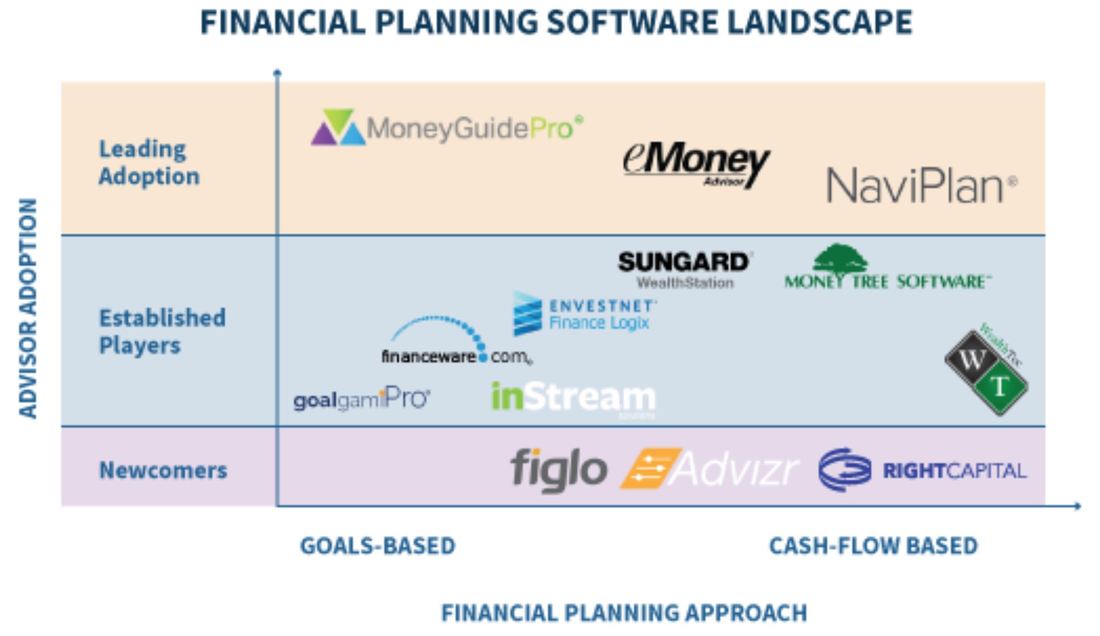
What Are Financial Planning Tools?
Financial planning tools are software applications designed to help individuals and businesses manage their finances. These tools can range from simple spreadsheets to complex financial management systems. The primary purpose of financial planning tools is to provide users with the ability to track their income, expenses, investments, and assets to create a comprehensive financial plan.
1. Budgeting Tools
Budgeting tools are designed to help individuals and businesses create and manage a budget. These tools allow users to track their income and expenses, categorize spending, and set financial goals. Budgeting tools can also generate reports and alerts to keep users informed about their financial progress.
One of the benefits of using budgeting tools is that they can help users identify areas where they can reduce their spending. By tracking expenses, users can see where their money is going and make adjustments to their budget accordingly. Some budgeting tools also offer features like bill reminders and automatic savings plans to help users stay on track.
2. Investment Tracking Tools
Investment tracking tools are designed to help users manage their investments. These tools allow users to track the performance of their investments, analyze market trends, and make informed investment decisions. Investment tracking tools can also generate reports and alerts to keep users informed about their portfolio.
One of the benefits of using investment tracking tools is that they can help users diversify their portfolio. By tracking the performance of different investments, users can see which assets are performing well and which ones are underperforming. This information can help users make informed decisions about buying and selling investments.
3. Retirement Planning Tools
Retirement planning tools are designed to help users plan for their retirement. These tools allow users to calculate how much money they need to save for retirement, estimate their retirement income, and create a retirement plan. Retirement planning tools can also generate reports and alerts to keep users informed about their progress towards their retirement goals.
One of the benefits of using retirement planning tools is that they can help users identify areas where they need to save more money. By estimating retirement expenses, users can see how much they need to save to maintain their standard of living in retirement. Retirement planning tools can also help users identify opportunities to increase their retirement income, such as through social security or pensions.
4. Tax Planning Tools
Tax planning tools are designed to help users minimize their tax liability. These tools allow users to estimate their tax liability, identify tax deductions and credits, and plan for tax payments. Tax planning tools can also generate reports and alerts to keep users informed about their tax situation.
One of the benefits of using tax planning tools is that they can help users save money on their taxes. By identifying deductions and credits, users can reduce their taxable income and lower their tax liability. Tax planning tools can also help users avoid penalties and interest by planning for tax payments in advance.
5. Estate Planning Tools
Estate planning tools are designed to help users plan for their estate. These tools allow users to create a will, designate beneficiaries, and plan for the distribution of assets. Estate planning tools can also generate reports and alerts to keep users informed about their estate plan.
One of the benefits of using estate planning tools is that they can help users avoid probate and reduce estate taxes. By creating a will and designating beneficiaries, users can ensure that their assets are distributed according to their wishes. Estate planning tools can also help users minimize estate taxes by planning for tax-efficient asset transfers.
6. Debt Management Tools
Debt management tools are designed to help users manage their debt. These tools allow users to track their debt balances, create a debt repayment plan, and monitor their progress. Debt management tools can also generate reports and alerts to keep users informed about their debt situation.
One of the benefits of using debt management tools is that they can help users reduce their debt faster. By creating a debt repayment plan, users can prioritize their debts and make extra payments towards high-interest debts. Debt management tools can also help users avoid late fees and penalties by reminding them of upcoming payments.
7. Financial Goal Setting Tools
Financial goal setting tools are designed to help users set and achieve financial goals. These tools allow users to create goals, track their progress, and adjust their plan as needed. Financial goal setting tools can also generate reports and alerts to keep users informed about their progress towards their goals.
One of the benefits of using financial goal setting tools is that they can help users stay motivated. By tracking their progress towards their goals, users can see how far they have come and stay focused on their objectives. Financial goal setting tools can also help users identify opportunities to save money and achieve their goals faster.
8. Net Worth Calculators
Net worth calculators are designed to help users calculate their net worth. These tools allow users to enter their assets and liabilities to determine their net worth. Net worth calculators can also generate reports and alerts to keep users informed about their net worth over time.
One of the benefits of using net worth calculators is that they can help users track their overall financial progress. By calculating their net worth regularly, users can see how their assets and liabilities are changing over time. Net worth calculators can also help users identify areas where they can reduce debt or increase savings to improve their overall financial health.
9. Investment Risk Assessment Tools
Investment risk assessment tools are designed to help users assess their risk tolerance. These tools allow users to answer questions about their investment goals and risk preferences to determine their risk profile. Investment risk assessment tools can also provide recommendations for investment strategies based on the user’s risk profile.
One of the benefits of using investment risk assessment tools is that they can help users make informed investment decisions. By understanding their risk profile, users can choose investments that align with their goals and preferences. Investment risk assessment tools can also help users avoid taking on too much risk, which can lead to losses and financial instability.
10. Financial Education Resources
Financial education resources are designed to help users learn about personal finance. These resources can include articles, videos, podcasts, and courses that cover topics like budgeting, investing, and retirement planning. Financial education resources can also provide tools and calculators to help users apply what they have learned.
One of the benefits of using financial education resources is that they can help users improve their financial literacy. By learning about personal finance topics, users can make informed decisions about their money and avoid common financial mistakes. Financial education resources can also provide users with the knowledge and skills they need to achieve their financial goals.
Frequently Asked Questions
Financial planning tools are essential for managing your finances in a systematic and organized manner. These tools can help you track your income, expenses, investments, and savings, and provide insights into your financial health. Here are some common questions about financial planning tools:
1. What are the different types of financial planning tools?
There are various types of financial planning tools available, including budgeting apps, investment calculators, retirement planning software, and debt reduction tools. Budgeting apps help you track your expenses and income, while investment calculators help you calculate your returns on different investment options. Retirement planning software helps you plan for your retirement, and debt reduction tools help you pay off your debts faster.
Each tool has its own unique features and benefits, and you can choose the ones that best suit your financial goals and needs.
2. How do financial planning tools help with budgeting?
Financial planning tools help you create and manage a budget by tracking your income and expenses. You can categorize your expenses, set spending limits, and monitor your progress towards your goals. Budgeting tools also allow you to view your spending patterns and identify areas where you can cut back to save money.
By using a budgeting tool, you can gain greater control over your finances and make informed decisions about your spending habits.
3. Can financial planning tools help with retirement planning?
Yes, financial planning tools can help you plan for your retirement by providing insights into your retirement savings and expenses. Retirement planning tools help you estimate your retirement income, calculate your expenses, and determine how much you need to save to meet your retirement goals.
You can use retirement planning tools to create a retirement plan that takes into account your current financial situation and your future goals.
4. Are financial planning tools easy to use?
Most financial planning tools are designed to be user-friendly and easy to use. They typically have intuitive interfaces and offer step-by-step guidance to help you set up and use the tool. Some tools also provide customer support to assist you with any questions or issues you may encounter while using the tool.
However, the complexity of some tools may vary, and you may need to invest some time to learn how to use them effectively.
5. Are financial planning tools expensive?
The cost of financial planning tools varies depending on the type of tool and the provider. Some tools are available for free, while others may require a one-time or recurring fee. Some tools also offer premium features for an additional cost.
Before choosing a financial planning tool, it’s important to consider your budget and the features that are most important to you. You may also want to compare different tools to find the one that offers the best value for your money.
In conclusion, financial planning tools are essential aids for anyone who wants to take control of their finances. From budgeting apps to investment calculators, these tools help you map out your financial goals and track your progress towards achieving them. With the help of these tools, you can make informed decisions about your money, avoid common financial pitfalls, and build a brighter financial future for yourself and your loved ones.
Whether you’re just starting out on your financial journey or you’re a seasoned investor, there are a variety of financial planning tools available to suit your needs. Some tools are free to use, while others require a subscription or one-time fee. Regardless of your budget, you can find a tool that will help you manage your money more effectively and achieve your financial goals.
In the end, the key to successful financial planning is taking action. By using financial planning tools to manage your money, you can stay on top of your finances, make informed decisions, and build a secure financial future. So why not start exploring the many financial planning tools available today and take the first step towards achieving your financial goals?